The Afterimage Standard: Designing Cultural Journeys That Continue Beyond the Event
The finest cultural experiences are not defined by access alone. They are designed as considered journeys, with the right event, setting, people, pace, and sense of continuity brought into alignment.
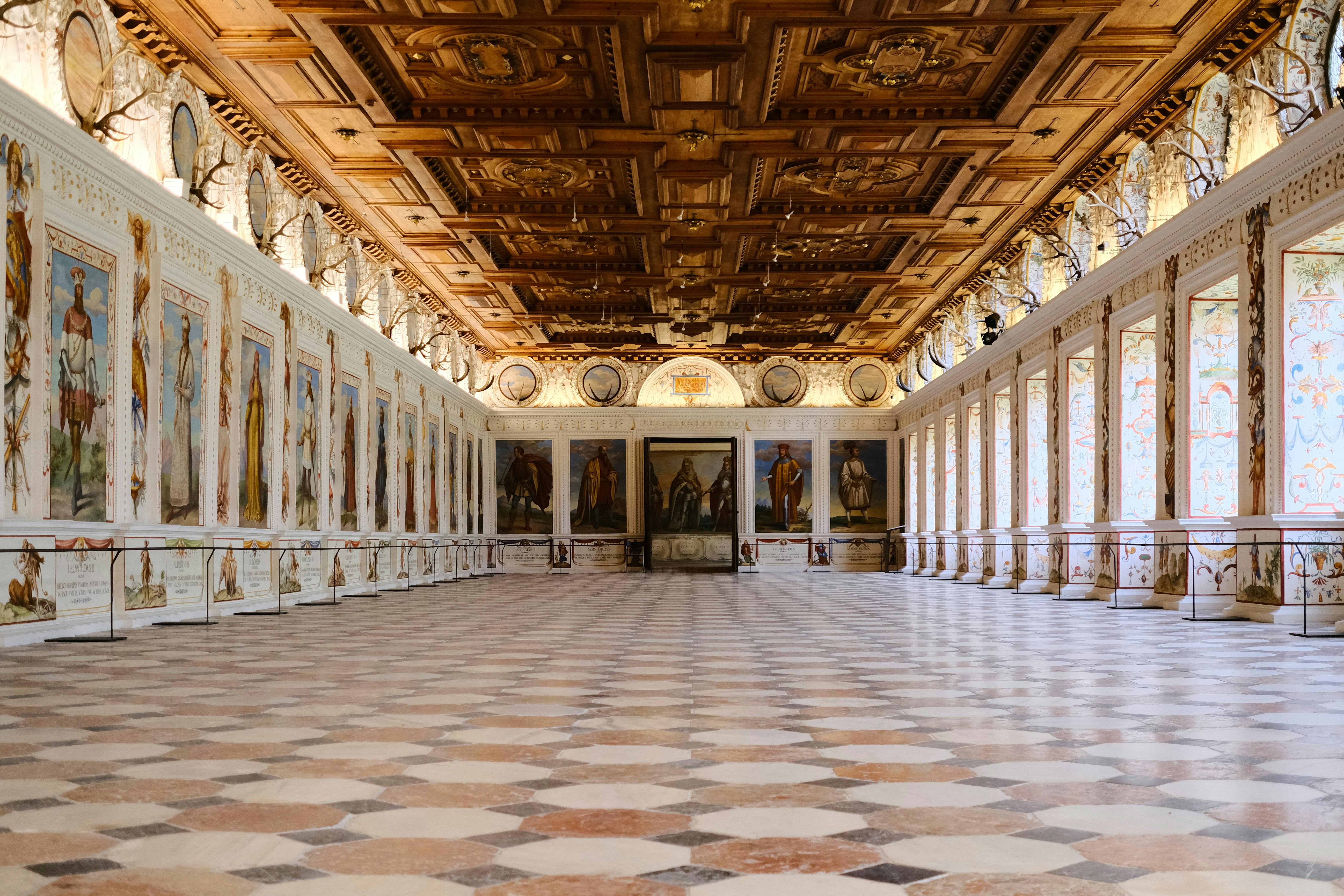
A major exhibition, a private performance, an international biennale, or an intimate literary gathering can be experienced in a single evening. Yet the most meaningful cultural encounters rarely begin when the doors open, and they do not necessarily end when the final work is viewed or the last note is played. Their value is often found in the afterimage: the ideas, relationships, places, and personal references that remain in the mind long after the event itself.
This is why cultural travel deserves a different kind of planning. It is not simply a matter of securing tickets, arranging transport, or selecting a hotel near a venue. It is the considered composition of a cultural journey - one that connects a client's interests with the right programme, context, pace, and degree of access.
Beyond access: the event as a point of entry
In a crowded global calendar, access alone is an increasingly limited measure of distinction. A prestigious event may be important, but it is not automatically meaningful to every guest. The more discerning question is whether the occasion has been interpreted correctly: why this exhibition, why this city, why this moment, and what should surround it?
Professional international event organisers commonly describe their role as extending from concept and production to venue coordination, guest management, and on-site delivery. In the arts and cultural sphere, that operational foundation becomes more valuable when it is joined by cultural judgement. The objective is not to make a programme appear busier. It is to create a coherent sequence in which every element has a reason to be there.
For a private client, this may mean placing a significant performance within a wider weekend of galleries, architecture, cuisine, and conversation. For a family office or private circle, it may involve a discreet route through a fair, museum, or foundation programme, with the emphasis placed on relevance rather than visibility. For a brand or patron, it may mean shaping a gathering in which the setting, artistic voice, guest composition, and hospitality express one clear point of view.
The quiet work behind a privileged experience
The visible moment is only one part of a well-constructed cultural experience. Behind it sits a sequence of decisions that must remain largely invisible to the guest: the relationship between venue and programme, the timing of arrivals, the movement between public and private spaces, the appropriateness of introductions, and the management of contingencies across countries and time zones.
This is the quiet infrastructure of Full Arrangement. It begins with interpretation rather than inventory. Instead of asking only what is available, the process considers what is suitable: which events align with the client's cultural interests, which locations add meaning, and which details should remain intentionally understated.
That distinction matters because global cultural participation carries practical complexity. Cross-border events can involve local regulations, supplier ecosystems, cultural expectations, and the need for consistent execution across unfamiliar markets. A reliable arrangement therefore requires both a broad international perspective and close attention to the particularities of place.
A five-part architecture for cultural participation
At VERTU England, the Full Arrangement service is positioned as an arts, culture, and patronage advisory for clients seeking a privileged and immersive cultural experience. Its approach can be understood through five connected layers.
| Layer | Consideration | Intended outcome |
|---|---|---|
| Cultural direction | The client's interests, references, and desired level of immersion | A programme with personal relevance |
| Event access | The most appropriate performances, exhibitions, fairs, festivals, or gatherings | Entry that feels considered rather than transactional |
| Place and setting | Venues, neighbourhoods, hospitality, and the character of the destination | A stronger relationship between event and location |
| Operational continuity | Timing, movement, communications, suppliers, and contingencies | A seamless experience across each stage of the journey |
| Cultural afterimage | Follow-on visits, conversations, collections, and future recommendations | Meaning that continues beyond the scheduled occasion |
These layers are not intended to turn culture into a checklist. Their purpose is the opposite: to protect the human and intellectual quality of the experience by ensuring that logistics support interpretation rather than compete with it.
From event planning to cultural authorship
Conventional event planning often begins with a format: a gala, a dinner, a launch, a festival visit, or a private viewing. A cultural advisory begins with a relationship to meaning. It asks what the client wants to understand, encounter, celebrate, or return to.
This is where artist curation, venue sourcing, content production, and guest experience become more than separate services. Comparable luxury art-event models describe full-service execution through the combination of venue sourcing, artist selection, staging, documentation, and tailored event design. Global event agencies similarly present event delivery as a continuum from conception to completion, including production, venue finding, hybrid solutions, and entertainment.
The differentiating value lies in how these components are edited into one coherent cultural proposition.
For VERTU clients, the result is not necessarily a larger itinerary. It may be a more intelligent one: fewer stops, better chosen; fewer introductions, more relevant; fewer visible gestures, greater depth. The standard is not spectacle for its own sake, but a sense that the experience could not have been arranged in quite the same way for anyone else.
The privilege of being properly placed
To be well placed within a cultural environment is a subtle form of privilege. It means arriving with enough context to recognise what matters, enough time to remain attentive, and enough discretion to experience a place without turning it into a performance.
That may involve a private conversation around a collection, an invitation aligned with a client's existing interests, or a carefully paced sequence across several institutions. It may also mean advising against an event that is fashionable but unsuitable. The value of an expert cultural planner is therefore not measured solely by the number of opportunities secured. It is measured by the quality of judgement applied before, during, and after the experience.
What remains after the curtain falls
The finest cultural journeys leave behind more than photographs or a completed schedule. They create a personal reference point: a work that changes how a city is understood, a conversation that reframes a collection, a performance that makes a destination memorable, or a new relationship that extends beyond the original invitation.
This is the afterimage standard. It asks whether the arrangement has created a durable sense of connection rather than a temporary impression. It recognises that a privileged and immersive cultural experience is not defined only by where one was able to go, but by how intelligently the journey was shaped around the meaning of going there.
For clients seeking global arts and culture experiences, VERTU England's Full Arrangement service offers a discreet route through that complexity. With cultural direction, considered access, place-sensitive planning, and end-to-end coordination brought into alignment, the event becomes more than an entry in a calendar. It becomes part of a longer cultural life.