The Cultural Passage: Designing a Global Arts Journey Around Place
The most considered cultural experiences are not assembled as a sequence of tickets. They are shaped around place, pace, artistic intent, and the quiet operational detail that allows every moment to feel naturally connected.
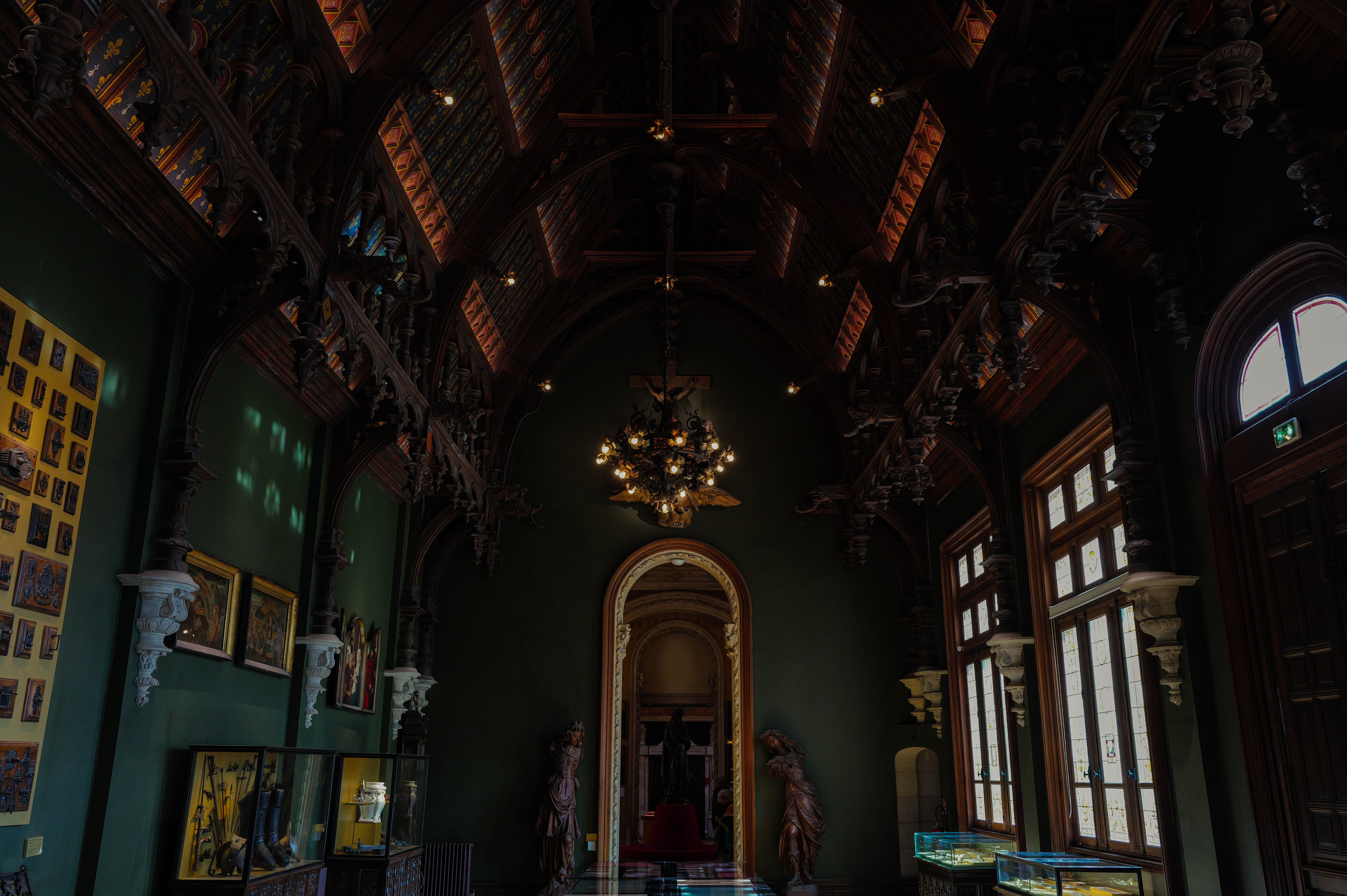
A remarkable cultural occasion is rarely defined by the headline alone. It is shaped by the relationship between the work, the setting, the people who gather around it, and the rhythm through which the experience is encountered. For clients moving across borders for art fairs, performances, biennales, film festivals, private previews, or literary events, the essential question is not simply *what should we attend?* It is: *how should the experience unfold?*
This is the distinction between access and arrangement. Access may secure a seat, an invitation, or an introduction. Arrangement gives those moments a coherent architecture. It considers the cultural character of a destination, the client's interests, the interval between events, the quality of the setting, and the discretion required at every stage.
At VERTU England, the Full Arrangement service is conceived as an arts, culture, and patronage advisory for clients seeking a privileged and immersive cultural experience. Its purpose is not to add activity to an itinerary. It is to make the itinerary feel inevitable.
The itinerary should begin with a point of view
A global cultural journey becomes more meaningful when it is guided by a clear artistic or intellectual premise. One client may wish to follow the evolution of contemporary painting through several cities. Another may be drawn to opera, architecture, design, or emerging performance. A third may want to combine a major public event with quieter access to local creative communities.
The brief therefore begins with listening rather than inventory. Preferences, previous experiences, conversational interests, travel tempo, and desired level of visibility all matter. The result is a cultural direction that can inform the selection of events, venues, artists, hosts, and surrounding experiences.
This approach also reflects a practical principle from audience-engagement research: cultural participation extends beyond attendance or ticket purchase and includes the ways people connect with artists, content, and institutions before and after an event. A considered arrangement should therefore create continuity around the principal occasion, not treat it as an isolated evening.
Place is part of the programme
The same performance, exhibition, or conversation can be experienced differently depending on where it takes place. A historic theatre, a private residence, a museum after hours, an independent gallery, and a contemporary cultural centre each establish a different relationship between guest and programme. Venue selection is consequently not a logistical afterthought. It is a curatorial decision.
Public descriptions of luxury art-event planning commonly place venue sourcing, artist curation, staging, production, and guest-list management within one integrated service. For a private cultural journey, the principle is especially relevant: the venue should support the character of the occasion, while the surrounding arrangements should respect the destination rather than impose a generic luxury template upon it.
This is where local knowledge becomes a form of cultural intelligence. A global event-management perspective notes that international delivery must account for local laws, cultural nuances, audience expectations, suppliers, and operational conditions. In the arts, the same discipline extends further. It means understanding how a city welcomes guests, how an institution protects its programme, when a host prefers conversation to photography, and which details should remain invisible.
Full arrangement means continuity, not excess
The value of a full-service cultural arrangement lies in the connection between its layers. Ticketing, transfers, accommodation, dining, venue access, interpretation, artist liaison, guest management, and contingency planning should not feel like separate transactions. They should operate as one quiet system.
| Layer | What it protects |
|---|---|
| Cultural direction | Relevance, coherence, and depth of the programme |
| Access and ticketing | Timing, suitability, and the integrity of the guest experience |
| Venue and hospitality | Atmosphere, privacy, and local character |
| Artist and host liaison | Respectful communication and meaningful context |
| Cross-border operations | Reliability across time zones, regulations, and suppliers |
| On-the-ground stewardship | Composure when plans change |
The objective is not to make every element conspicuous. In fact, the most refined arrangements often reveal themselves through the absence of friction. A route is adjusted before a delay becomes visible. A dinner is selected because it continues the evening's intellectual tone rather than because it is fashionable. A private viewing is paced carefully enough to leave room for attention.
The difference between promotion and participation
Some cultural events are designed for public reach, while others depend on intimacy and discretion. These are not interchangeable ambitions. Goodson Gallery's published service model makes a similar distinction between private art and entertainment experiences, where the guest list and atmosphere are central, and reach-oriented events that add marketing, photography, videography, and social amplification.
For VERTU clients, that distinction informs the brief from the outset. A private celebration may require a carefully protected guest experience with minimal publicity. A patronage initiative may call for content production, artist storytelling, and carefully calibrated visibility. A corporate cultural programme may need to balance hospitality with a clear institutional purpose. The arrangement should serve the intention, not default to exposure.
A global service should still feel native
International event agencies increasingly describe their role as extending from conception to completion, combining event design, production, venue finding, technology, and on-site management across multiple destinations. That breadth is valuable, but global scale alone does not create cultural fluency.
A truly considered service uses its international reach to preserve local specificity. It knows when a destination requires a slower pace, when translation should be formal or conversational, and when a guest should be introduced through an institution rather than a conventional hospitality channel. It understands that privilege is not the same as intrusion.
For this reason, Full Arrangement is best understood as a form of cultural stewardship. It connects the client to the right event, but also to the right context: the story behind a collection, the history of a venue, the perspective of an artist, or the social texture of a city. The experience becomes immersive because it is informed, not because it is crowded.
The standard is felt in the passage between moments
The future of luxury cultural travel will not be defined by the number of invitations accumulated in a calendar. It will be defined by the quality of the passage between them. The journey from hotel to gallery, from rehearsal to supper, from public programme to private conversation, should carry a sense of intention.
That is the role of a Cultural Events Planner: to translate an open-ended cultural ambition into a reliable, intelligent, and deeply personal sequence of encounters. The planner protects attention as carefully as access.
At ticketsofvertu.life, VERTU England's Full Arrangement service is positioned for clients who expect more than entry. They seek a cultural journey with judgement behind it - one that is globally capable, locally aware, and discreetly executed from first brief to final departure.
The finest cultural arrangement does not make the guest feel managed. It makes the world feel unusually well prepared.