The Continuity Principle: Why Global Arts Events Need One Steward from Invitation to Exit
A global arts occasion is not defined by its ticket alone. It is shaped by the continuity between artistic intent, access, place, hospitality, and the final memory a guest carries away.
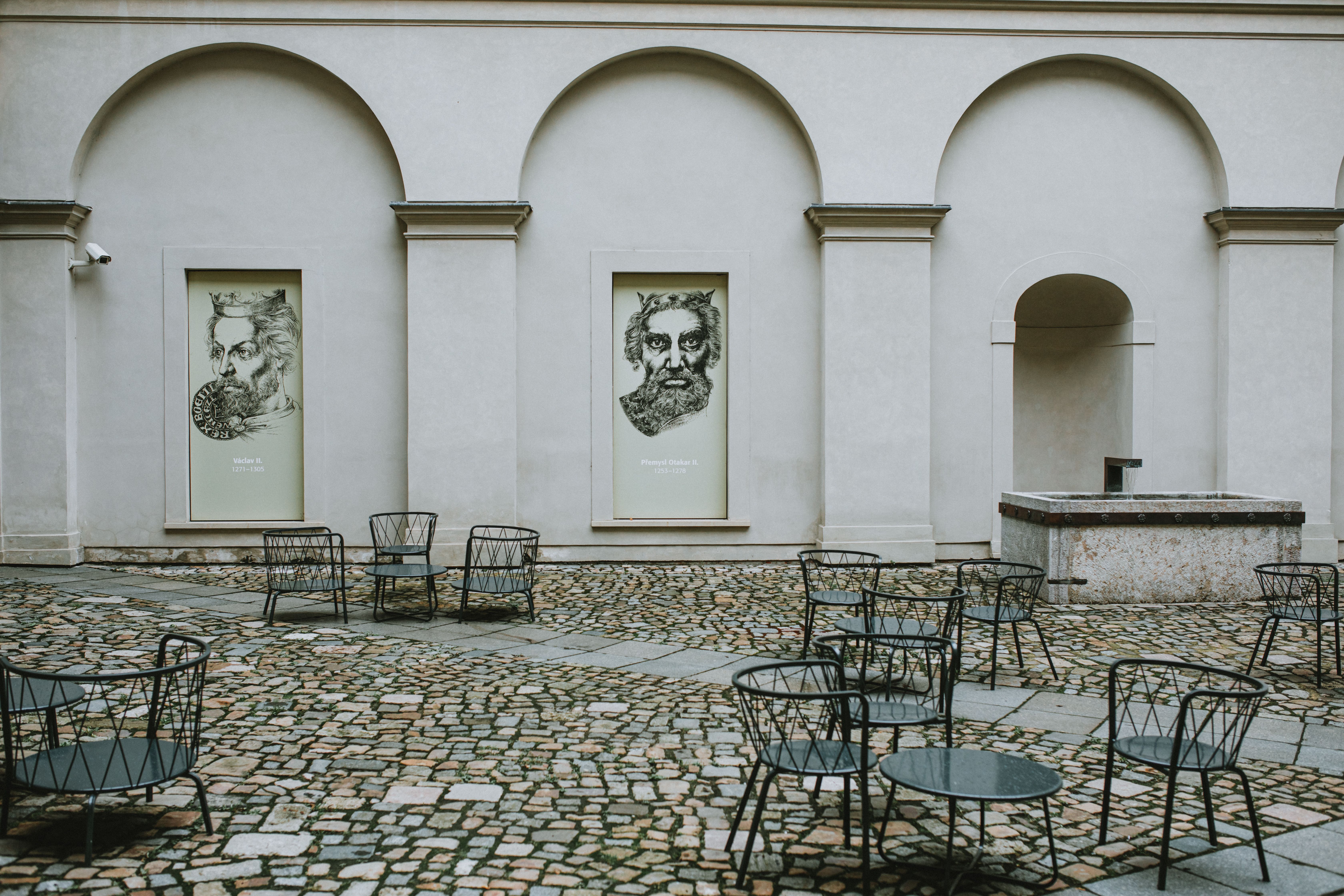
A global arts event may appear to begin when a guest enters the venue. In practice, the experience is already underway much earlier: in the choice of occasion, the reading of its artistic language, the quality of access, the relationship between place and programme, and the quiet confidence that every transition has been considered.
For clients who move between cities, institutions, galleries, festivals, performances, and private cultural occasions, the challenge is rarely finding an event. The more difficult task is preserving coherence across the entire cultural passage. A ticket secures entry. It does not, by itself, create context, continuity, or a meaningful relationship with the occasion.
This is the territory of Full Arrangement: a cultural events planning service conceived as a form of VERTU arts, culture, and patronage advisory. Its purpose is not to make an event louder. It is to make the experience more considered, more personal, and more complete.
The hidden complexity of a cultural occasion
The strongest international art and culture projects are rarely the product of a single decision. Publicly described specialist practices show that major exhibitions and cultural events can involve artistic direction, commissioning, artwork loans, technical consultation, logistics, installation, operations, and artist relationships. Other global event models combine creative direction with venue sourcing, talent booking, registration, hospitality, communications, photography, and digital support.
What these examples reveal is a simple principle: the visible programme is only one layer of the experience. Around it sits an operating structure that determines whether the occasion feels deliberate or fragmented. A distinguished venue cannot compensate for an incoherent itinerary. An acclaimed artist cannot fully carry an experience that has been poorly framed. Nor can access alone substitute for cultural intelligence.
For a private client, family office, brand, or institution, this complexity is often distributed among several suppliers and geographies. One party manages invitations, another sources a venue, a third coordinates hospitality, while artistic and logistical decisions proceed on separate tracks. The result may be functional, yet still lack the sense of ease expected from a truly privileged experience.
From event coordination to cultural stewardship
Full Arrangement approaches the assignment from a different starting point. Rather than treating the event as an isolated booking, it considers the occasion as a connected composition with a beginning, a centre, and an afterlife.
The first responsibility is interpretation. What is the client genuinely seeking: proximity to an artistic community, a private view with intellectual depth, a performance in a meaningful setting, a cultural itinerary built around a single work, or an occasion that brings selected guests into a new conversation? The answer establishes the point of view.
The second is orchestration. Once the intention is clear, the practical elements can be aligned: access and ticketing, venue and timing, artist or curator relationships, transport, hospitality, guest communications, content capture, and on-site execution. These components are not presented as a catalogue of add-ons. They are coordinated according to the character of the occasion.
The third is continuity. A culturally sensitive experience must account for the transitions between people and places. International cultural management practices commonly emphasise the importance of working across time zones, language barriers, administrative requirements, transport, and itinerary planning. These details may remain invisible to a guest, but they are precisely what allow the guest to remain present.
The value of one considered point of view
A single steward does not mean that every task is performed by one person. It means that the client's intent has a clear guardian throughout the process. The curator, venue, producer, artist liaison, hospitality team, and local partners can each bring specialist expertise while working toward one coherent standard.
This distinction matters at the international level. Cultural events are shaped by their setting. A historic building, a contemporary gallery, an opera house, a biennial, or an artist's studio each carries a different tempo and etiquette.
A successful arrangement therefore requires more than international reach; it requires the judgement to understand when a global format should be adapted to local context. Cultural management firms publicly describe this work as a combination of artistic excellence, cultural diversity, immersive storytelling, and precise execution across different cities and settings.
For the client, the benefit is not simply convenience. It is decision quality. Fewer disconnected choices are required. The itinerary has a reason. The guest list has a relationship to the programme. The venue supports the artistic intention. The service remains discreet because its purpose is to remove friction rather than announce its own machinery.
What "full arrangement" should mean
In a premium cultural service, "full" should not mean indiscriminate. It should mean that the essential links have been considered. Depending on the brief, this may include: the identification and interpretation of a cultural occasion; privileged access and ticket arrangements; venue research and sourcing; artist, curator, gallery, or institutional liaison; itinerary design; hospitality and local coordination; content production where appropriate; and full on-site execution.
The standard is not measured by the number of elements added to a proposal. It is measured by how naturally those elements belong together. A private viewing should not feel like a corporate activation. A festival journey should not be reduced to a sequence of transfers. A gala should not lose its cultural character beneath layers of production.
This is why Full Arrangement is best understood as an advisory-led service. The work begins with listening, continues through judgement, and concludes with exacting delivery. The objective is a privileged and immersive cultural experience - one in which the client can encounter the work, the place, and the people around it without being burdened by the complexity required to make that encounter possible.
The memory after the curtain
The success of a global arts occasion is often assessed too narrowly: Was entry secured? Did the programme run on time? Was the venue appropriate? Those questions matter, but they describe completion rather than meaning.
A more useful measure is what remains after the event. Did the occasion deepen the client's relationship with a place or artistic practice? Did the guests feel they had been brought together with purpose? Did the experience create a memory that could not have been produced by a ticket purchased in isolation?
The best arrangements answer these questions through their restraint. They do not overwhelm the art with service. They create the conditions in which art, culture, conversation, and place can be encountered at their proper intensity.
For clients seeking access to global arts and culture, Full Arrangement offers a way to move beyond attendance toward considered participation. From the first invitation to the final departure, one point of view can hold the experience together. That continuity is the quiet distinction between being present at an event and being meaningfully received into it.